May is National Stroke Awareness Month in the US. According to The American Heart Association, strokes remain the second-leading cause of death in the world with an estimated 17 million strokes worldwide each year. Strokes can be a leading cause of serious long-term disability, which can significantly alter a person’s life. Depending on the severity of the stroke, recovery varies for each individual and in some cases, may take a long time to reach a full recovery.
Early awareness and identification can help prevent minimizing further brain damage and potentially save more lives. It is important to act fast when you think someone is having a stroke as the longer the brain goes without enough oxygen, the more damage can happen. Every minute counts to ensure proper care.
Early detection can help a stroke victim’s chances of minimizing long-term complications and potentially save their life. Recognizing the signs of a stroke is crucial.
The following includes some ways to identify signs of a stroke according to the National Institutes of Health (NIH). Even if any of these symptoms don’t last long, they may still be a sign of stroke:
- Sudden numbness or weakness in the face, arm, or leg — especially on one side of the body
- Sudden confusion, trouble speaking, or understanding speech
- Sudden problems seeing in one eye or both eyes
- Sudden dizziness, loss of balance or coordination, or trouble walking
- Sudden severe headache with no known cause
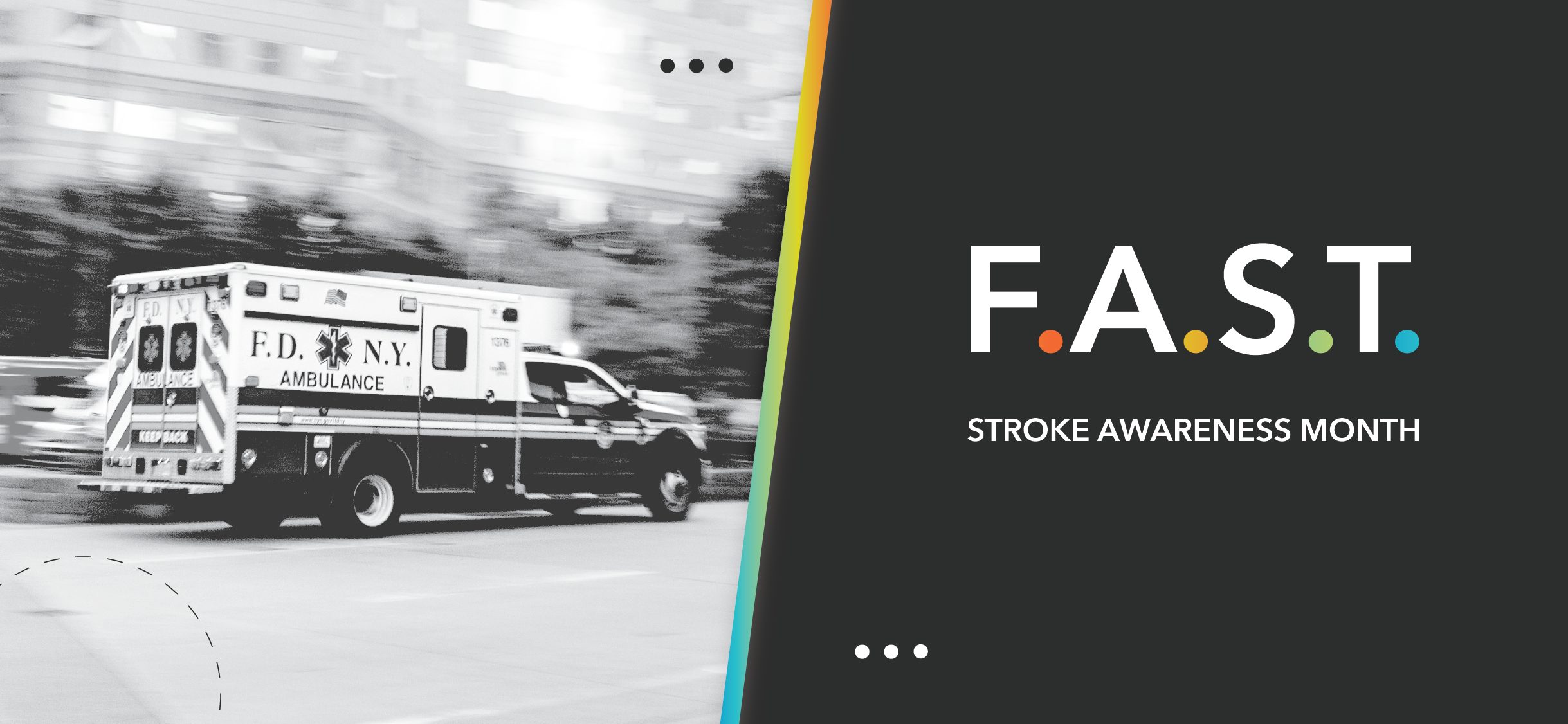
Learning the mnemonic device to remember the most common signs of a stroke can help quickly spot one. FAST is an acronym used by many official organizations and associations, and it stands for Face, Arms, Speech, Time.
F = Face drooping or twisting
A = Arm weakness
S = Speech difficulty
T = Time to call 911
As improving patient safety is our main goal, we strive to educate learners with the highest fidelity simulators available as well as support instructors with the tools necessary to do so.
SimEMR, our simulated electronic medical records, has a new feature, patient profile sharing, that includes 80 precreated patients, saving instructors crucial time in the simulation lab so they can focus on their learners.
Patients can be edited and shared among other instructors and other schools from all over the world. For example, one of our patients, Trevor Hassam, has an acute headache that could easily be modified to investigate a stroke eval via a basic neuro eval, educating learners on the importance of this topic.
SimEMR also includes a list of resources and helpful links for learners that includes a link to the National Institute of Neurological Disorders and Stroke (NINDS). Together, we can work to improve future patient lives.
Contact us today to learn more about SimEMR.
If you liked this article, don’t forget to subscribe for more.