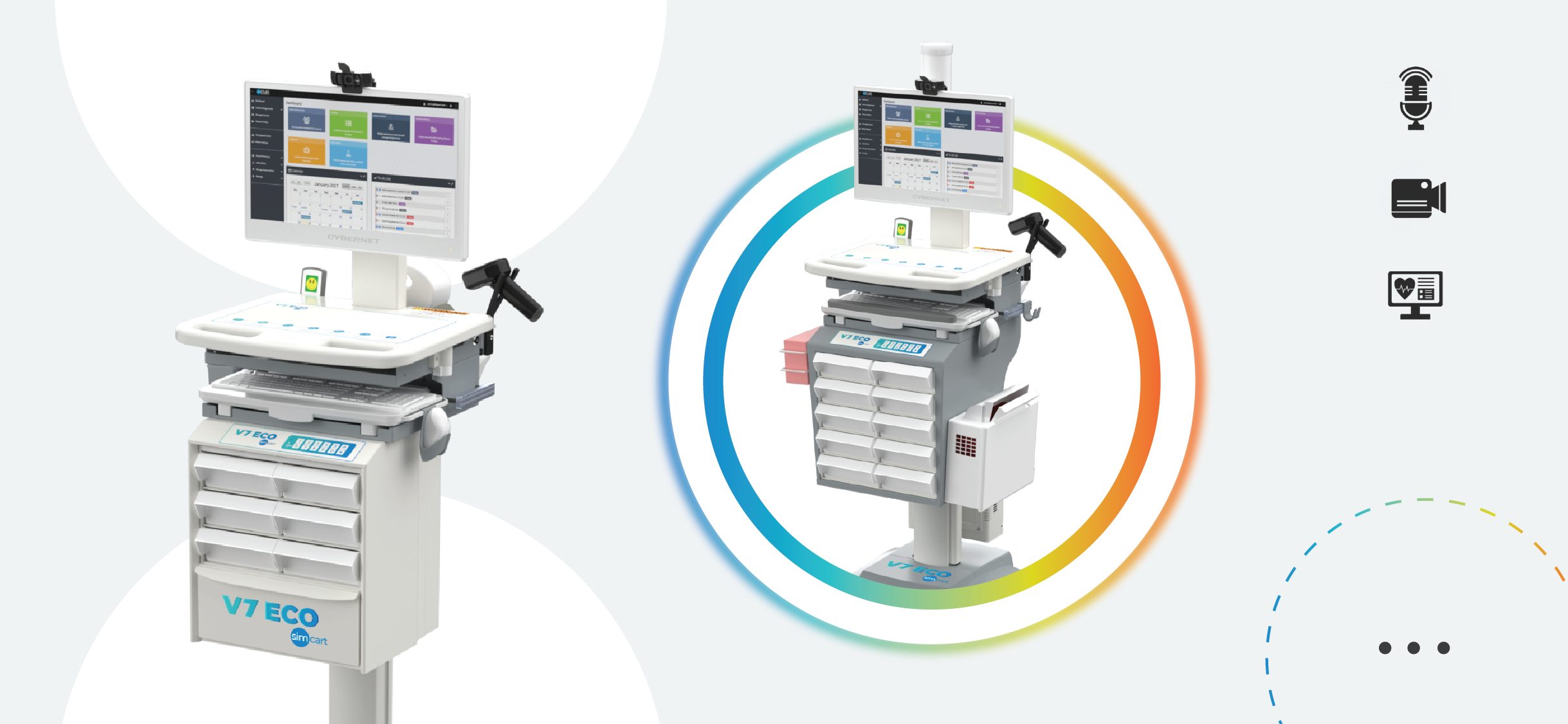

According to the American Health Association, permanently expanding telehealth access will improve public health. Prior to the Covid-19 pandemic, telehealth visits were not as common as they are today and they are only continuing to grow. During the pandemic, telehealth became essential to minimize the spread of the virus, however some healthcare workers did not have prior training on telehealth systems.
Benefits of Telehealth Integration
Improved access to healthcare is essential for patients that are immunocompromised, have mobility limitations, or live in remote areas without local clinics, however many other patients benefit from virtual care. The convenience and flexibility of the ability to receive online care not only saves money for hospitals and patients, but also frees up valuable time for inpatient care.
Telehealth reduces exposure to illness by allowing patients to receive care from their own homes. This benefits both patients and healthcare providers by reducing the risk of spreading contagious illnesses, especially during outbreaks. As the many advantages to incorporating virtual visits in healthcare settings became clear, training on telehealth systems was deemed necessary.
Medication Dispensing Software & Telehealth Carts & Systems
Incorporating SimEMR Telehealth and SimCartRx Telehealth into your curriculum provides learners with hands-on experience that prepares them for virtual patient care and experience to strengthen their patient communication and documentation skills.
Practicing with Telehealth carts helps to provide healthcare learners the opportunity to practice delivering virtual care using the same type of technology they may encounter in real-life healthcare settings. Learning how to use cameras, monitors, and diagnostic tools allow students to become more comfortable and confident with providing care remotely. Practicing with this equipment early on prepares students to recognize and troubleshoot common technical issues, such as poor audio and connection problems, which results in more productive and uninterrupted training sessions.
As for integrating telehealth platforms with EMRs and medication dispensing software, they allow healthcare learners to manage patient information while learning how to safely access, verify, and administer medications during virtual care. Having learners practice with an EMR during their telehealth scenarios allows them to strengthen their ability to provide care without the advantage of meeting patients in person and adapting to a remote setting that requires a different set of clinical and communication skills.
Learners also improve their decision-making skills while medication orders are being communicated and processed when care is being provided remotely. Utilizing the EMR helps learners verify the order and safely retrieve the medication from an automated dispensing system (ADS), where accuracy and timing are essential to patient safety. This also reinforces important safety practices such as barcode scanning for medication verification.
In conclusion, incorporating medication administration software, like MedsManager, and an EMR, like SimEMR, into telehealth simulations gives learners real hands-on experience with documenting patient care, receiving medication orders, and communicating with patients and other healthcare providers remotely. Gaining hands-on experience with SimCartRx Telehealth allows learners to practice safely retrieving medications, using the keypad for secure access, and working with MedsManager to properly manage medications. Practicing these skills together helps prepare learners to confidently and safely provide remote care in real healthcare settings.